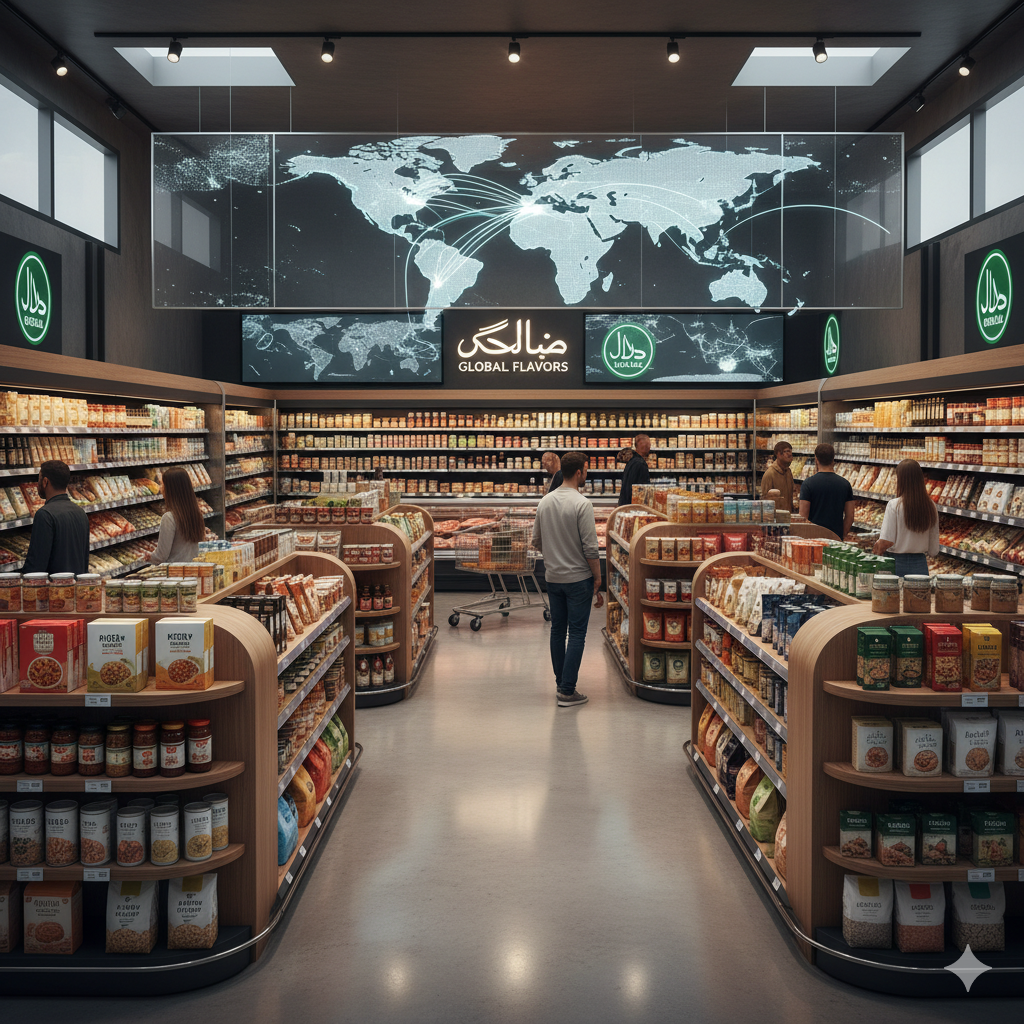
The Middle East is one of the fastest-growing food import regions in the world. With limited agricultural land and a rapidly growing population, demand for imported food continues to rise across Saudi Arabia, UAE, Qatar, Kuwait, and Oman.
If you produce or export food products, this market represents major opportunities—but entry requires understanding regulations, certifications, and buyer expectations.
Why the Middle East Is a Top Market
Top Food Products in Demand
-
Dairy ingredients
-
Seafood
-
Grains & cereals
-
Poultry & meat
-
Nuts, spices, and dried fruits
-
Infant food and nutritional supplements
-
Feed ingredients for livestock
Key Requirements for Market Entry
1. Certification & Compliance
Most countries require:
2. Packaging & Labeling Requirements
Labels must include:
-
Ingredients
-
Production dates
-
Expiry dates
-
Allergen information
-
Halal logo
3. Finding the Right Distributors
Distributors play a major role in market access. Exporters must partner with reliable agents who understand retail, wholesale, and institutional food networks.
4. Pricing Strategy
Pricing must consider import taxes, freight costs, and distributor margins.
5. Long-Term Quality Consistency
Middle Eastern buyers value reliability and prefer suppliers who maintain long-term quality and volume capacity.
Conclusion
The Middle East offers unmatched growth for global food producers. With the right certifications, distribution partners, and compliance strategy, exporters can thrive in this competitive but rewarding market.